2027 Kia Telluride Hybrid: A unique turbo-hybrid powertrain
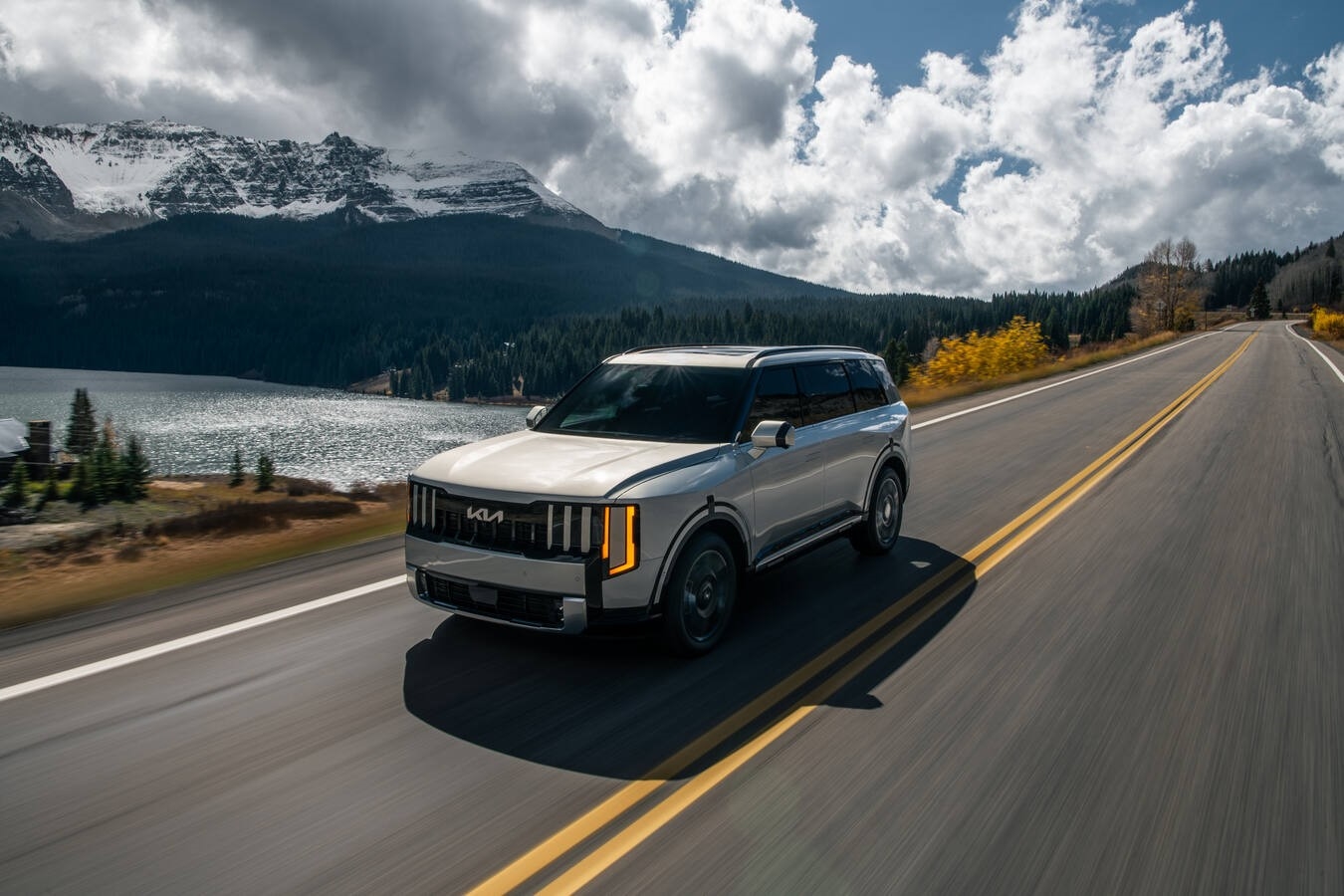
- “First-ever Telluride turbo-hybrid powertrain” means a turbo engine + electric motor(s) working together as one system.
- Electric torque supports the moments drivers notice most: launching, climbing, passing, and short-trip commuting.
- A modern hybrid powertrain can make a large SUV feel calmer and more refined in daily traffic.
- In Denver and Aurora, hybrid assistance can help maintain confident response at altitude and on grades.
- This hybrid system is designed to be “transparent”—you drive normally; the vehicle manages energy flow automatically.
- Best lens for evaluating it: compare real driving scenarios, not just a single efficiency number.
What “First-Ever Turbo-Hybrid Powertrain” actually means
“Turbo-hybrid” can sound like marketing, but it describes a specific mechanical strategy: combine the immediate torque of electric motors with the broad powerband of a turbocharged engine. In a large SUV like the kia telluride, that matters because weight, passengers, and elevation changes all demand usable midrange power.
For the 2027 Kia Telluride Hybrid, the “first” claim refers to Telluride offering a hybrid configuration for the first time. Instead of treating the electric system as a separate feature, the powertrain is designed to behave like one integrated unit—electric assist when it’s useful, engine power when it’s efficient, and blended operation when it delivers the best balance.
How a turbo-hybrid powertrain works
The core components (what’s doing the work)
- Turbocharged gas engine: provides sustained power and efficient cruising.
- Electric motor(s): add torque instantly and support acceleration events.
- Battery pack: stores energy used for assist and recaptured during deceleration.
- Power electronics & control unit: decide how to blend engine and electric power seamlessly.
- Transmission/driveline: delivers combined output to the wheels efficiently.
The energy flow (what happens as you drive)
- Low speed: electric assistance can reduce engine load, improving smoothness and efficiency.
- Acceleration: electric torque helps immediately, while the turbo engine builds power as speed rises.
- Cruising: the system can prioritize efficiency, using the engine at an optimal operating range.
- Deceleration: regenerative braking converts motion back into stored energy for the next assist event.
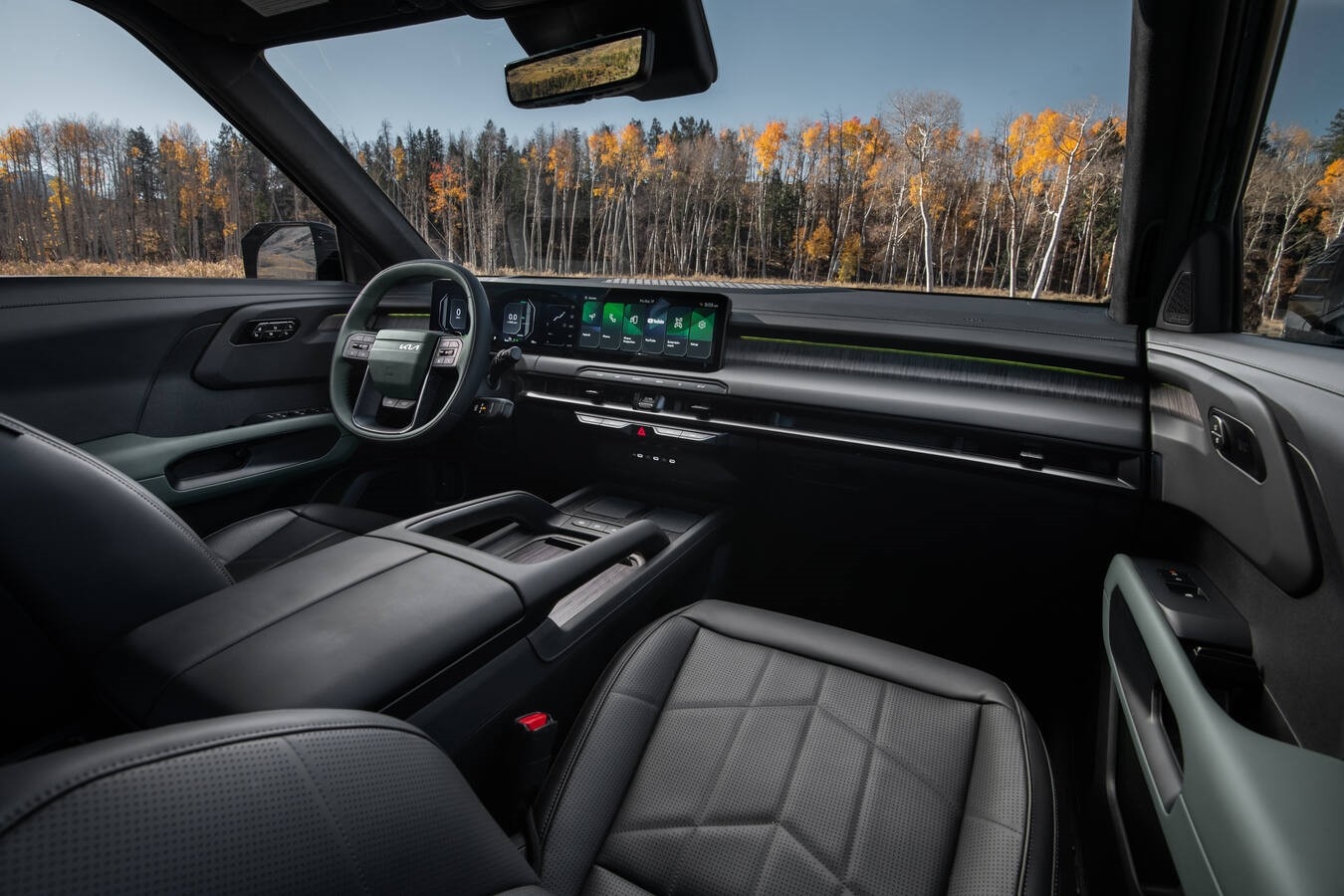
Why turbo + hybrid is different than “regular hybrid”
Many hybrids rely on a naturally aspirated engine and use electric assist mainly to reduce fuel consumption. A turbo hybrid is typically tuned to deliver a stronger performance feel, because the turbocharged engine contributes a wider midrange and the electric side fills in torque at the bottom. In a three-row SUV, that blend can feel especially useful with passengers on board.
In Denver and Aurora, this matters because elevation and grades amplify “lag” or hesitation. Electric assistance can help the hybrid powertrain feel more consistent during everyday driving—particularly at low to mid speeds where families spend most of their time.
Real-world benefits you can measure and feel
Torque where you use it
Electric torque is most noticeable at low speeds, which can make the 2027 telluride feel more responsive in traffic and when pulling into fast-moving lanes.
Efficiency in mixed driving
Hybrids often gain the most in stop-and-go conditions—exactly the type of driving common around Denver and Aurora.
Refinement & smoothness
A blended hybrid system can reduce harsh power transitions, making acceleration feel steadier and more premium.
What to compare when evaluating the Hybrid Telluride
| Category | What to look for | Why it matters in Denver/Aurora |
|---|---|---|
| Launch & low-speed feel | Instant torque, smooth starts, minimal hesitation | Traffic, on-ramps, and short trips are daily realities |
| Grade response | Consistency on inclines and while loaded | Elevation changes and weekend drives expose weak midrange |
| Regeneration behavior | Predictable braking feel, easy modulation | Stop-and-go commuting makes regen feel important |
| Cabin refinement | Noise, vibration, and smooth acceleration transitions | Daily comfort matters most for family use |
Cost, timing & ownership expectations
With first-year hybrid models, availability patterns can be uneven at launch, and different trims may receive different mixes of allocation. This isn’t unique to the Telluride—it’s common across the industry when a major new hybrid powertrain enters a popular nameplate. For Denver and Aurora shoppers, the practical takeaway is to focus on your must-haves and be realistic about timing if you want a highly specific build.
Ownership expectations are usually straightforward: you fuel up normally, the system manages charge automatically, and maintenance routines are typically similar to non-hybrid models—with hybrid-specific components designed for long-term durability. Exact service intervals and warranty coverage depend on the final production specifications.
Common mistakes when learning about the Telluride Hybrid
- Mistake: treating “hybrid” as one category. Better: evaluate how a turbo hybrid behaves at low/mid speeds.
- Mistake: focusing only on mpg. Better: consider torque, refinement, and how it responds around Denver/Aurora driving.
- Mistake: assuming hybrids are complicated. Better: modern systems are designed to be transparent—no special routine required.
- Mistake: ignoring braking feel. Better: regenerative braking behavior can affect daily comfort more than expected.
- Mistake: expecting finalized specs early. Better: wait for official kia spec sheets for numbers and configurations.
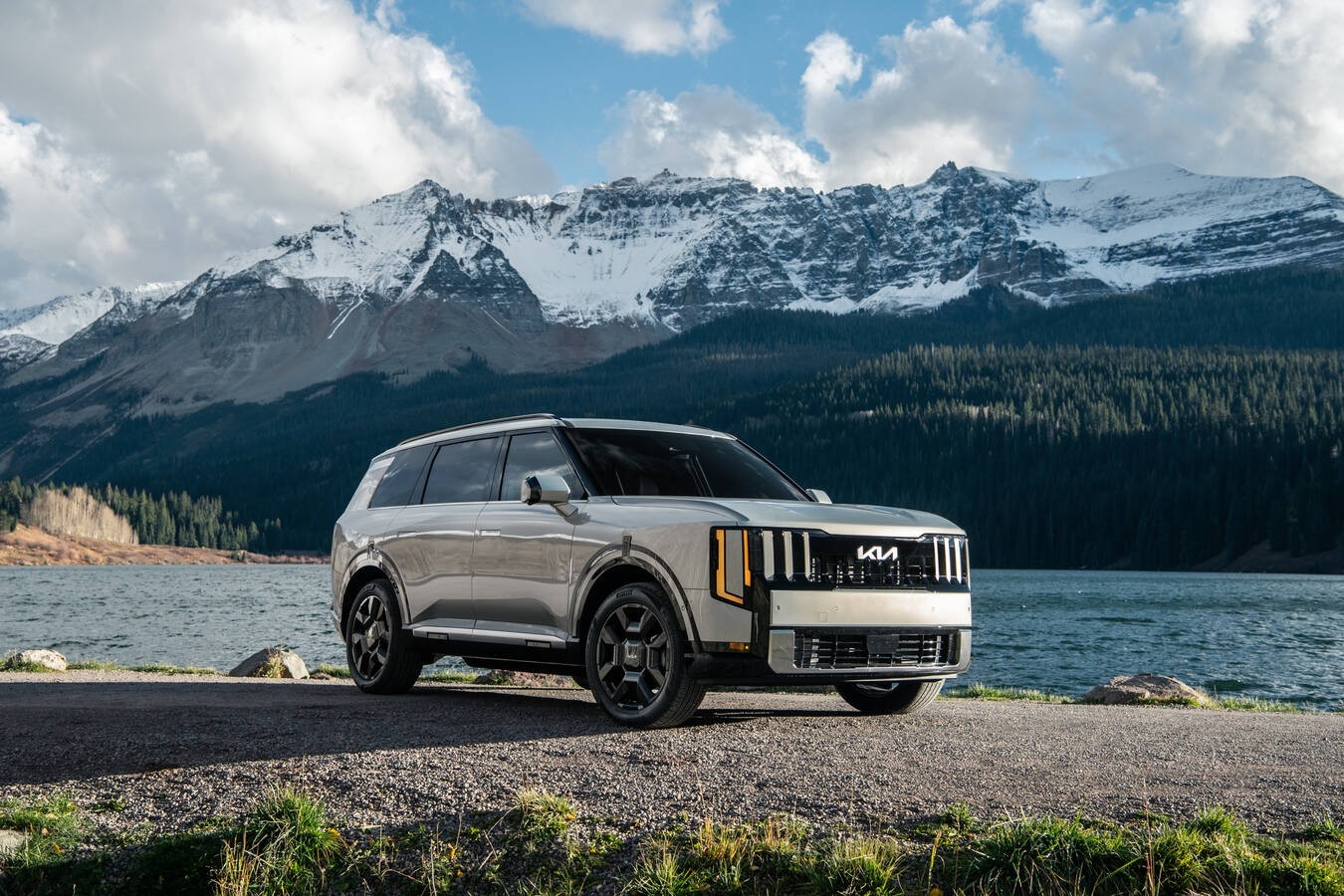
Why Kia is leaning into turbo-hybrid powertrains
The industry trend is clear: buyers want efficiency improvements without sacrificing usable power. A turbo-hybrid approach can do both by blending torque and efficiency intelligently. For the kia telluride, it’s a logical evolution because three-row SUVs are often asked to do everything—commute, haul, road-trip, and handle hills—sometimes all in the same week in Denver.
Kia also benefits from a clear lineup story: offering a modern hybrid option helps broaden the Telluride audience to include efficiency-focused families, long-distance commuters, and buyers who want a more refined drive feel without switching to a plug-in or full EV.
FAQ: 2027 Telluride turbo-hybrid powertrain
The bottom line
The First Turbo-Hybrid Powertrain is a meaningful evolution for the Telluride: it’s meant to deliver more usable torque, smoother acceleration, and better everyday efficiency without changing how owners live. For families and commuters in Denver and Aurora, the most relevant benefits show up in the same places you drive every day—traffic, hills, highway merges, and road trips.
As final production specifications become available, the smartest way to evaluate the 2027 Kia Telluride Hybrid is to compare real-world usability: responsiveness when loaded, consistency on grades, braking smoothness, and how refined the power delivery feels in mixed driving.