Last updated: February 28, 2026
Service area: Denver, Aurora
Kia Check Engine Light Diagnostics in Denver: Why Emich Kia
When your dash light turns on, you need more than a code read—you need a repeatable diagnostic process that identifies the real cause, prevents repeat repairs, and gets you back on the road with confidence. This page explains exactly how Emich Kia in Denver approaches diagnostics and check engine light fixes, what it costs, what to expect, and how to make smart next steps as a Kia owner in Denver and Aurora.
Quick Answer
A Kia Check Engine Light can mean anything from a loose gas cap to a failing sensor or engine control issue. Emich Kia in Denver uses OEM-grade scan tools, guided tests, and real-world verification (not guesses) to pinpoint the root cause, confirm the fix, and reduce “comeback” visits—especially important with Denver’s altitude and temperature swings.
Ready to book diagnostics?
Schedule a diagnostic appointment with Emich Kia in Denver. We’ll verify symptoms, pull relevant data, test likely causes, and explain options clearly—before you approve repairs.
Schedule Service Online
Tip: If the light is flashing, reduce speed and schedule ASAP—flashing typically indicates a more urgent condition.
What your Kia Check Engine Light really means
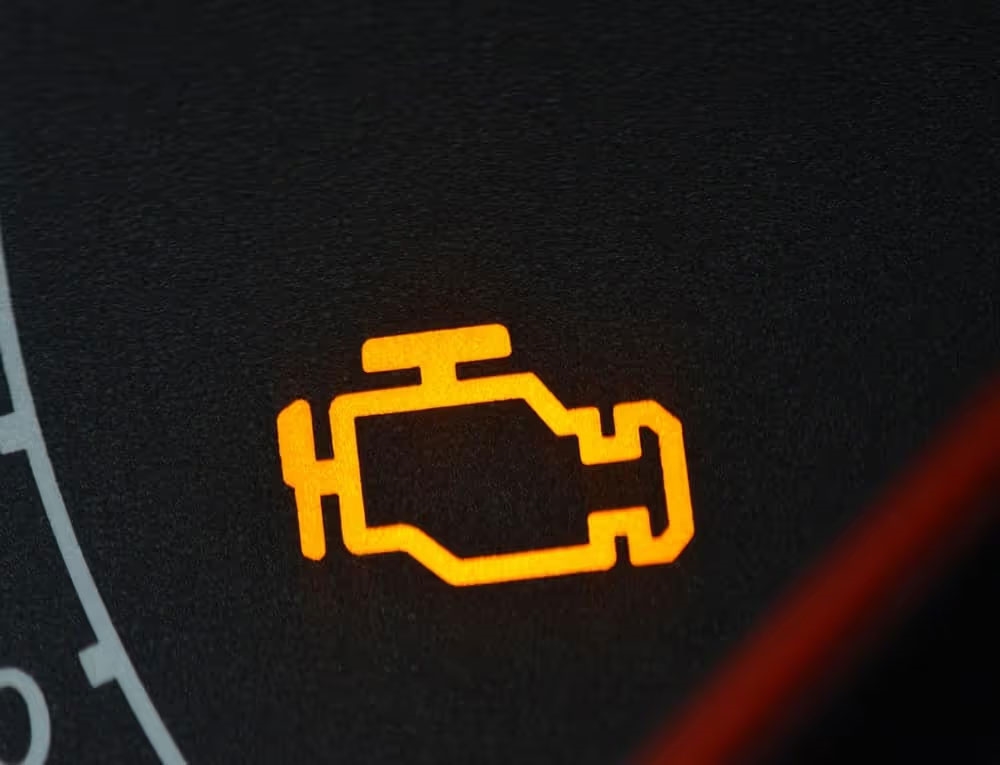
The check engine indicator is triggered when the engine control module (ECM) detects a fault that affects emissions, drivability, or system integrity. That fault is stored as a diagnostic trouble code (DTC), but the code is only the starting point. Many codes are “symptom codes” that can be caused by multiple failures, including wiring issues, air leaks, sensor drift, software calibration, or components that behave differently under Denver driving conditions.
A Kia Check Engine Light can be steady (usually non-immediate) or flashing (often urgent). Either way, the most reliable path is a structured diagnosis: confirm the concern, review stored codes and freeze-frame data, run targeted tests, and verify the repair under the conditions that caused the issue.
Why DIY code reads and quick fixes often fail in Denver
A parts-store code scan can be helpful, but it’s rarely a diagnosis. It typically reads a generic code without verifying root cause, without viewing live data trends, and without running manufacturer-specific tests. In Denver and Aurora, altitude and weather make certain marginal issues show up more often—especially air/fuel trims, EVAP behavior, turbo plumbing leaks, battery/charging stability, and intermittent sensor signal issues that only occur during cold starts or high-load merges onto I-25.
When a code points to “system too lean,” for example, replacing the oxygen sensor might temporarily change the symptoms, but the real cause could be a small intake leak, a weak fuel delivery condition, or a mass airflow reading that’s drifting. Proper Kia Repairs start with verification and tests that confirm cause, not just the code label.
Common mistakes that waste time and money
- Replacing the “named” part in the code without testing (sensor swapping).
- Clearing codes before capturing freeze-frame data or symptoms.
- Ignoring intermittent wiring/connector issues that only fail under vibration or heat.
- Skipping smoke testing for air and EVAP leaks.
- Not verifying the fix with a drive cycle, readiness checks, and live data review.
How Emich Kia approaches diagnostics (the process)
The goal of diagnostics isn’t to “find a code”—it’s to prove what failed, why it failed, and what repair will restore proper function. Emich Kia uses a consistent workflow built for accuracy and clarity. If you’re shopping for Kia Services near Denver or Aurora, this is the process that keeps repairs focused and repeat visits low.
Step 1: Confirm symptoms and capture context
We start with what you noticed: rough idle, hesitation, hard starts, fuel smell, reduced power, or a light that comes and goes. We then confirm those conditions (cold start vs warm, highway vs city, uphill load, weather). That context matters in Denver where morning temperatures, elevation, and short-trip driving patterns can influence how and when faults appear.
Step 2: Pull codes, freeze-frame, and live data
We read stored and pending DTCs and review freeze-frame data (what the engine saw when the fault set). Then we examine live data (fuel trims, misfire counters, sensor voltages, boost targets, temperature readings, and more). This helps separate a one-time event from a repeating pattern that needs correction.
Step 3: Run targeted tests that prove cause
Depending on the code family, we may perform smoke testing (intake and EVAP), vacuum/pressure checks, injector balance tests, ignition waveform analysis, circuit integrity tests, sensor rationality checks, or actuator function tests. These are the steps that turn “possible causes” into one confirmed cause.
Step 4: Explain options clearly before repairs
You’ll get a plain-language explanation: what failed, what evidence supports it, what repair resolves it, and what happens if you delay. We also call out related maintenance items only when they’re relevant to the diagnosis—keeping your Kia Repairs focused and transparent.
Step 5: Verify the fix and confirm readiness
After repairs, we confirm the symptom is gone and check that monitors and readiness behave correctly. Verification matters because some faults only show up in a specific drive cycle or after a cold soak—conditions that can be common in Aurora commutes and Denver stop-and-go traffic.
Most common causes we see with a Kia Check Engine Light
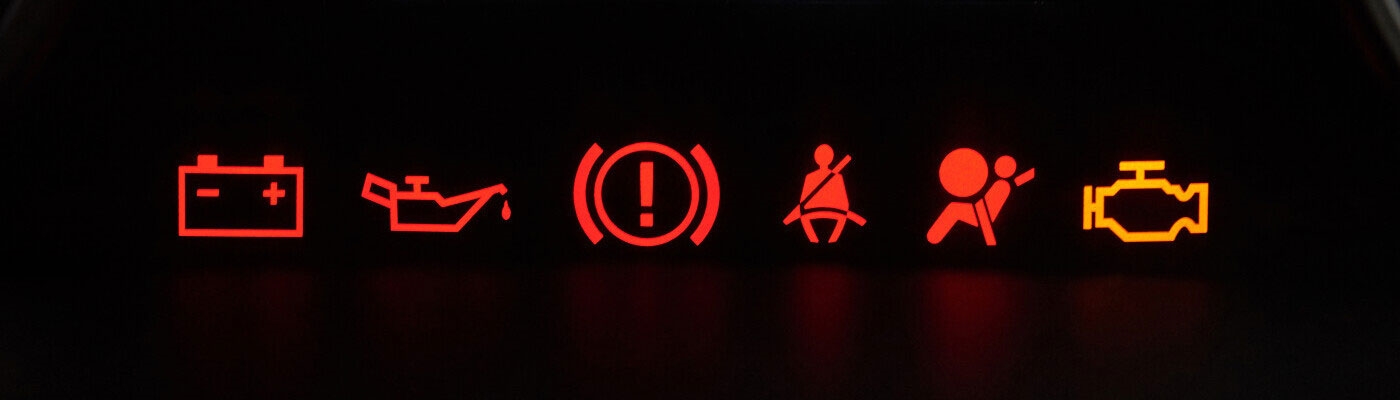
Every vehicle is different, but certain categories appear frequently in Denver-area driving. The key is not assuming the category is the cause—our diagnostic service proves the specific failure and its trigger conditions. Below are common “families” that can trigger a Kia Check Engine Light.
EVAP and fuel vapor issues
Often shows as a small leak or purge flow concern. Causes range from a loose/aged gas cap to purge valve issues, small hose leaks, or canister-related problems. Short trips around Denver can keep the system from completing self-tests, and changes in temperature can expose small leaks.
Misfires (ignition, fuel, or airflow)
A misfire code can be spark plug wear, coil breakdown, injector imbalance, vacuum leaks, or compression issues. We use cylinder-specific data and tests to avoid guesswork—especially important if the vehicle only misfires under load when climbing Denver-area grades.
Oxygen sensor and catalyst efficiency concerns
These codes can reflect true sensor failure—but they can also be secondary to exhaust leaks, fuel trim problems, or aging catalysts. Proper diagnostics look at upstream/downstream relationships and fuel trim behavior rather than replacing parts on a hunch.
Airflow measurement and intake leaks
Small intake leaks can drive fuel trim errors and roughness. Smoke testing and data correlation (MAF/ MAP, trims, and load) help catch issues that a generic scan may miss.
Electrical, battery, and charging stability
Low voltage events can trigger a wide range of modules to report faults. Denver’s cold snaps can expose marginal batteries, and intermittent connections can cause “phantom” codes. We check charging output and voltage stability as part of many diagnostic paths.
Cost, timing, and what to expect at your appointment
Customers shopping for Kia Repairs usually want three things up front: a realistic price range, how long the car will be in the shop, and what the process looks like. Diagnostics are most efficient when the symptom is present and repeatable, but even intermittent lights can be handled with data review and a plan for capturing the fault when it returns.
Typical ranges (diagnosis + common outcomes)
| Scenario | What we do | Time expectation | Cost expectation |
|---|---|---|---|
| Steady Kia Check Engine Light, drives normally | Scan + freeze-frame + targeted tests; confirm probable cause | Same day in most cases | Diagnostic fee + repair estimate after confirmation |
| Intermittent light, comes and goes | Data review + inspect known failure points + plan to capture return event | Same day for baseline; follow-up if needed | Diagnostic time depends on repeatability |
| Flashing light or reduced power | Prioritize drivability; isolate misfire/overheat/boost concerns fast | As soon as scheduled; may require extended testing | Higher diagnostic time possible due to urgency |
| Emissions readiness / testing prep | Confirm monitors, repair root cause, verify drive cycle readiness | Varies with monitor completion | Diagnostic + repair; verification included |
Note: Actual pricing depends on model, engine, and the tests needed to confirm the root cause. We’ll explain what’s required before expanding diagnostic time.
What makes Emich Kia different for diagnostics and repairs
People searching “Best Kia Service Near Me” usually want two things: confidence and clarity. Emich Kia focuses on evidence-based repairs and practical communication—so you understand what’s happening and can choose the right path for your budget and timeline. The goal isn’t to overwhelm you with jargon; it’s to fix your vehicle correctly and explain it plainly.
OEM-grade tools + Kia-focused workflows
Kia systems often require manufacturer-level access for detailed module data, actuator tests, and calibration checks. That helps us separate a true component failure from a wiring concern or a condition caused by airflow or fuel delivery. This is especially valuable when a Kia Check Engine Light keeps returning after a “quick fix.”
Transparent estimates and fewer assumptions
Diagnostics should narrow uncertainty—not expand it. We explain what we found, why it points to a specific cause, and what repair solves it. When multiple causes are plausible, we recommend the most efficient “prove it” test first, not a list of parts to replace.
Practical Denver-area experience
Denver driving patterns matter—short trips, altitude, temperature changes, and highway grades can reveal borderline issues. Emich Kia’s diagnostic approach is built to confirm faults under real operating conditions, not just while the car is idling in a bay.
A service experience designed around your time
Diagnostics can be stressful because you want answers quickly. Our process prioritizes early communication: what we’ve confirmed, what we’re testing next, and when you’ll have an actionable plan. If you’re comparing Kia Top Rated Dealer service experiences in Denver, this clarity is a big differentiator.
Practical tips before you bring your Kia in
You can make diagnostics faster (and sometimes cheaper) with a few simple steps. These don’t replace professional testing, but they improve the signal we’re working with—especially when the Kia Check Engine Light is intermittent.
- Note when the light turns on: cold start, highway speed, after fueling, or during uphill acceleration around Denver.
- If you recently fueled up, ensure the gas cap is tight and the seal looks intact (don’t overtighten).
- Avoid clearing codes yourself before the appointment—freeze-frame data helps pinpoint the cause.
- Bring photos of warning lights or messages if the light has turned off by the time you arrive.
- If the light is flashing or the car is shaking, reduce load and schedule promptly.
Diagnostic examples: what “root cause” looks like
If you’ve ever had a repair where the light came back a week later, you’ve seen the difference between “fixing a code” and fixing the cause. Here are examples of how the diagnostic approach matters for Kia Services in Denver and Aurora.
Example A: EVAP code after fueling
The symptom looks simple—light turns on after a fill-up. A quick guess might be a gas cap. A verified diagnosis checks purge operation, seals, and leak points via smoke test and system command tests. The correct fix might be a purge valve that sticks intermittently and only fails after warm soak.
Example B: “Lean” code on Denver highway merges
A lean code can tempt parts swapping. A proven approach reviews fuel trim behavior under load, validates airflow readings, and checks for intake leaks. Often, the fix is a small unmetered air leak or a sensor rationality issue that only appears at higher airflows—exactly when you’re accelerating onto I-70 or I-25.
Example C: Misfire only on cold mornings
Intermittent misfires can be tricky. We look at cylinder-specific misfire counts, ignition performance, and fuel delivery. Sometimes it’s a coil breaking down; other times it’s plug wear or a minor vacuum leak that’s worse during cold starts. Verification includes a cold-start check and a post-repair drive cycle.
Why choose Kia service at a dealership vs. general repair shops
A strong independent shop can be a great option. The reason many customers choose a Kia dealership for diagnostic work is access: Kia-specific tooling, model-specific procedures, and deeper module data for modern vehicles. If you’re comparing Kia Best Denver Dealer service experiences, the difference often shows up when the issue is intermittent, software-related, or involves integrated systems that require manufacturer-level tests and verification.
Emich Kia also focuses on documenting what was found and what proved it—helpful if you’re trying to understand the repair, plan maintenance, or avoid repeating the same issue. For customers shopping for Kia Repairs near Denver and Aurora, this clarity is as important as the fix itself.
FAQ: Kia Check Engine Light diagnostics and repairs
These questions reflect what Denver and Aurora drivers most commonly ask when a Kia Check Engine Light appears. Answers are designed to be direct, practical, and easy to scan.
Why is my Kia Check Engine Light on but the car feels fine?
Many faults affect emissions more than drivability, so the car can feel normal. Common examples include EVAP leaks, sensor rationality codes, or intermittent electrical events. A diagnostic appointment at Emich Kia in Denver captures codes, freeze-frame, and live data to determine whether it’s a minor issue or something that could become expensive if ignored.
Is it safe to drive with a Kia Check Engine Light in Denver traffic?
If the light is steady and the vehicle drives normally, it’s often safe for short trips—schedule diagnostics soon to avoid worsening damage. If the light is flashing, power is reduced, or the engine is shaking, minimize load and schedule immediately. Emich Kia can help prioritize the right next step for Denver and Aurora driving conditions.
Will tightening the gas cap turn off the Kia Check Engine Light?
Sometimes. If the cause is a loose or failing cap seal, the system may pass tests after a few drive cycles and the light can turn off. But EVAP-related codes can also come from purge valves, hoses, or small leaks. If the light stays on in Denver or Aurora after a few days of normal driving, professional diagnostics are the fastest path to certainty.
How much does it cost to diagnose a Kia Check Engine Light?
Diagnosis typically starts with a standard diagnostic fee, then expands only if additional testing is needed to confirm root cause. The final cost depends on symptom complexity and the tests required. Emich Kia in Denver explains the diagnostic plan upfront, so you understand what you’re paying for and why.
Can altitude in Denver cause a Kia Check Engine Light?
Altitude itself doesn’t “cause” a fault, but it can reveal borderline conditions. Air density changes affect load calculations and fuel trims; climbing grades increases demand; cold starts stress ignition and battery health. That’s why Emich Kia’s diagnostics consider operating conditions common in Denver and Aurora, not just what shows on a generic scan.
Why did the light come back after a repair?
The most common reasons are incomplete diagnosis (fixing the symptom, not the cause), an intermittent wiring issue, or multiple contributing faults. A Kia Check Engine Light can also reappear when the system reruns its monitors after a drive cycle. Emich Kia focuses on proof-based testing and verification to reduce repeat repairs.
How long does it take to fix a Kia Check Engine Light issue?
Many steady-light issues can be diagnosed and repaired the same day, depending on parts availability and test requirements. Intermittent faults can take longer because we may need to reproduce conditions or capture data during a return event. For Denver-area customers, we communicate timing expectations early so you can plan transportation and scheduling.
Should I reset the Kia Check Engine Light before coming in?
It’s better not to. Clearing codes can erase valuable freeze-frame data and reset readiness monitors, which can delay accurate diagnosis. If the light turns off on its own, stored history can still help. Emich Kia in Denver uses stored and pending information to diagnose even when the light isn’t currently illuminated.
Why Emich Kia for service in Denver and Aurora
If you’re deciding between shops, the best question is simple: “Will they prove the cause and verify the fix?” That’s the core of Emich Kia’s approach. We aim to earn trust through clear explanations, consistent diagnostics, and practical recommendations—whether you need a quick fix or a deeper drivability repair. For customers searching Kia Top Rated Dealer service in Denver and Aurora, the combination of Kia-specific capability and transparent communication is what stands out.
Emich Kia also supports broader Kia Services—maintenance, inspections, and repairs—so if diagnostics identifies related needs, you can handle everything in one place with one plan and one record. That consistency is a practical advantage when you’re trying to keep a Kia running reliably in Denver conditions.
Key Takeaways
- A code read is not a diagnosis—freeze-frame and live data matter.
- Emich Kia uses targeted tests to prove root cause before replacing parts.
- Denver altitude, cold starts, and grades can reveal borderline faults.
- Verification (drive cycle + readiness checks) helps prevent repeat visits.
- Don’t clear codes before your appointment—save the evidence.
- Flashing Kia Check Engine Light signals higher urgency—schedule promptly.
- Transparent communication keeps Kia Repairs focused and predictable.
Book your diagnostic visit at Emich Kia
If your Kia Check Engine Light is on, schedule service online. We’ll confirm the concern, test the likely causes, and give you a clear plan for repair—built for Denver and Aurora driving.
Schedule Service Online
Serving Denver and Aurora Kia drivers with diagnostics, repairs, and maintenance.
Schema-ready labels
Last updated: February 28, 2026
Service area: Denver, Aurora