Last updated: February 28, 2026 | Service area: Denver, Aurora
Kia PHEV Service: EV, Hybrid & Plug-In Maintenance Guide
Quick Answer
EVs need fewer routine fluids and no engine service, but they still require tires, brakes, cooling-system checks, cabin filters, and periodic high-voltage inspections. Hybrids add engine oil, spark plugs, and more heat-related maintenance. Plug-ins combine both worlds: expect EV-style checks plus engine upkeep—so your Kia PHEV Service plan should be tighter on fluids, battery cooling, and software diagnostics, especially with Denver temperature swings.
Shopping for repairs or planning maintenance? This page explains what owners of Kia EVs, hybrids, and plug-in hybrids should expect—what actually wears, what gets inspected, and what costs and timing look like in Denver and Aurora. You’ll also see a model list (2023+), a practical maintenance table, and clear examples of what happens during a typical visit for Kia PHEV Service.
Schedule Kia EV, Hybrid, or PHEV Service
Choose a time, tell us your model and symptoms, and we’ll prepare the right tools for high-voltage diagnostics in Denver & Aurora.
Schedule Service Online
Only takes a minute.
What changes with electrified Kia maintenance
The biggest difference isn’t “no maintenance”—it’s different maintenance. Electric drive components (motors, inverters, onboard chargers) are highly reliable, but they’re supported by cooling systems, software, and high-voltage safety checks. In Denver, rapid temperature shifts and mountain driving can increase tire wear, cooling-system workload, and the need for accurate diagnostic scans.
For customers shopping repairs, the practical reality is that “service needs” are often about tires, brakes, thermal management, and electrical diagnostics. That’s why choosing a shop that understands denver high voltage battery service matters for both safety and speed.
Common mistakes (and how to avoid them)
- Assuming “no oil changes” means “no inspections.” EVs still need cooling checks, tire rotations, and filter service.
- Ignoring tire wear on heavy electrified vehicles—rotate on time and keep pressures correct for Denver temperature swings.
- Delaying software updates after a warning light. Many issues are calibration-related and are fastest to solve early.
- Using non-qualified shops for high-voltage repairs. Proper procedures protect you, the vehicle, and the battery system.
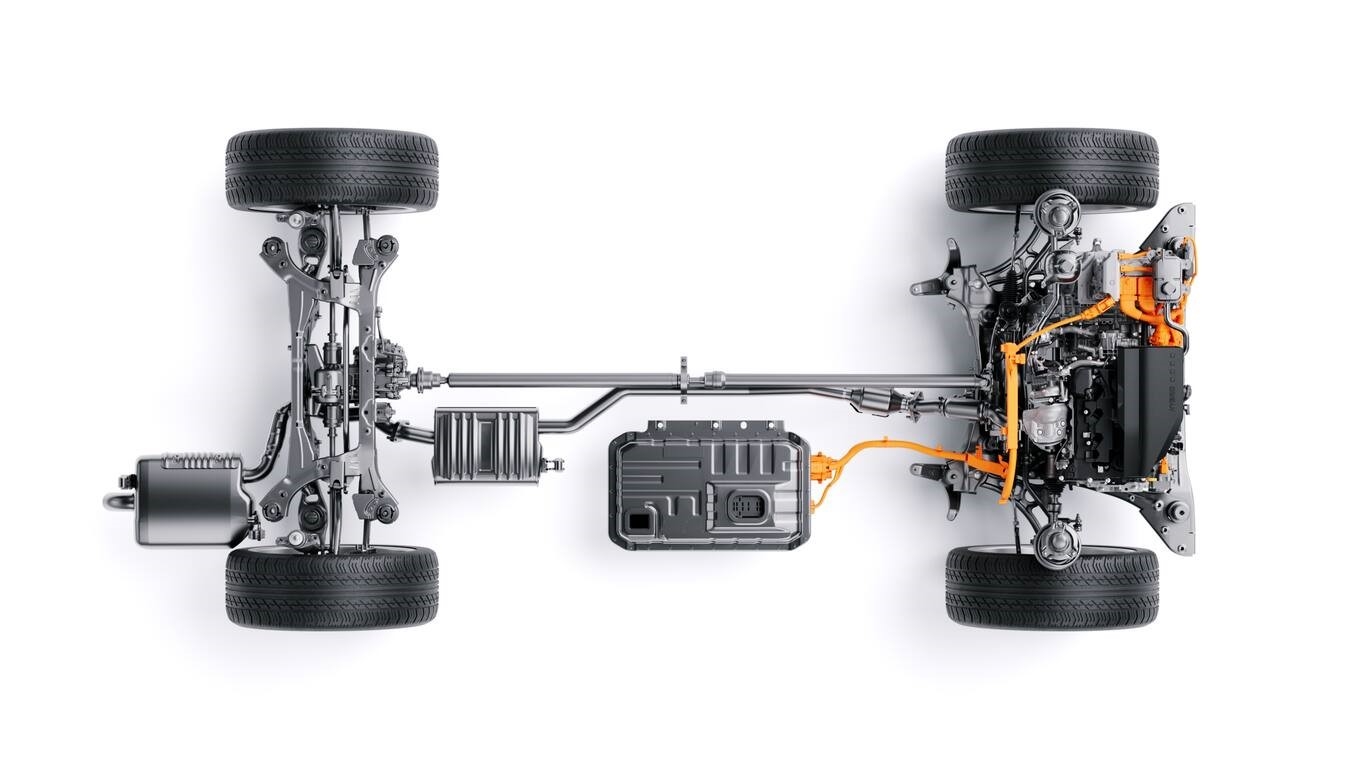
High-voltage inspections are routine, quick, and safety-critical for EV and plug-in systems.
EV models (2023+) and what service looks like
If you’re comparing kia ev service needs to gas cars, start here: most routine EV visits are inspections plus tire and brake work. There’s no engine oil, no spark plugs, and no transmission fluid in the traditional sense. Instead, service focuses on thermal management, software, and wear items.
Kia EV model list (sold in the U.S., 2023+ model years)
- Kia EV6 (including EV6 GT, GT-Line) — 2023 to present
- Kia EV9 — 2024 to present
- Kia Niro EV — 2023+ (availability varies by model year/region)
Typical EV maintenance expectations in Denver and Aurora:
- Tires: rotations are more frequent than many owners expect because EV torque and weight can eat tread faster—especially with mountain drives and winter tires.
- Brakes: regen reduces brake wear, but calipers still need periodic inspection and cleaning (road salt and moisture matter in Colorado).
- Cabin air filter: a common “low-cost, high-feel” service that keeps HVAC performance strong.
- High-voltage system checks: technicians verify insulation integrity, cooling performance, charge-system behavior, and scan for stored fault codes.
Hybrid models (2023+) and maintenance you can’t skip
Hybrids still have an engine, so they keep classic maintenance items—oil changes, filters, and ignition components—while also adding high-voltage monitoring. If you want predictable ownership costs in Denver, the simplest rule is: treat hybrid maintenance like a modern gas vehicle plus periodic EV-style checks.
Kia hybrid model list (2023+ model years)
- Kia Niro Hybrid — 2023 to present
- Kia Sportage Hybrid — 2023 to present
- Kia Sorento Hybrid — 2023 to present
- Kia Carnival Hybrid — 2025 to present (included here for 2023+ ownership planning)
Hybrid owners commonly schedule service around oil intervals and seasonal inspections. In Denver, cold starts and short trips can increase condensation in the engine oil, so consistent intervals matter for long-term durability.
PHEV models (2023+) and Kia PHEV Service expectations
Plug-in hybrids are the most “systems-dense” option: they have an engine, an electric motor, a high-voltage battery, and a charge system. That’s why Kia PHEV Service usually includes both engine maintenance and EV-focused inspections, with extra attention to battery cooling and charging behavior.
Kia PHEV model list (2023+ model years)
- Kia Niro Plug-in Hybrid (PHEV) — 2023 to present
- Kia Sportage Plug-in Hybrid (PHEV) — 2023 to present
- Kia Sorento Plug-in Hybrid (PHEV) — 2023 to present
What owners should realistically expect from Kia PHEV Service in Denver and Aurora:
- Engine oil still matters even if you drive mostly electric—short engine run cycles can be harder on oil than long highway runs.
- Charging system checks are part of the routine: inlet condition, onboard charger behavior, and stored charge-related codes.
- Battery cooling performance is inspected because it supports charging speed, efficiency, and long-term reliability.
- Software and calibrations show up more often than “broken parts” in early service visits.
Maintenance comparison table: EV vs Hybrid vs PHEV
Use this as a practical cheat sheet. Exact intervals vary by model and driving conditions (especially for Denver mountain trips), but these categories reflect how Kia Hybrid service and Kia PHEV Service differ from full EV ownership.
| Service item | EV (EV6 / EV9 / Niro EV) | Hybrid (Niro / Sportage / Sorento / Carnival) | PHEV (Niro / Sportage / Sorento) |
|---|---|---|---|
| Tire rotation & pressure | Frequent; torque/weight can increase wear | Standard; still important with AWD trims | Frequent; EV torque + vehicle weight |
| Brake inspection & cleaning | Regen reduces wear; inspect for corrosion | Normal wear patterns; inspect routinely | Regen helps; still needs hardware checks |
| Cabin air filter | Regular replacement | Regular replacement | Regular replacement |
| Engine oil & filter | Not applicable | Required; interval depends on use | Required; watch short-cycle operation |
| High-voltage inspection & scan | Routine check; insulation/cooling/charging | Routine check; battery and power electronics | Routine check; critical for charging issues |
| Battery cooling & thermal system | Inspection is key; supports range/charging | Inspection; smaller pack but still critical | Inspection; supports EV driving + charging |
| Software updates & calibrations | Common; improves charging and drivability | Common; improves engine/EV blending | Very common; affects charging and transitions |
High-voltage battery and cooling system: what gets checked
When people search for denver ev service or denver high voltage battery service, they’re usually worried about the battery. The good news is that most visits aren’t battery replacements—they’re inspections, leak checks, cooling performance verification, and confirming the vehicle is charging and balancing normally.
What technicians typically do (EV and PHEV)
- Scan & freeze-frame review: pulls stored codes and operating conditions when a fault occurred (helps avoid “parts guessing”).
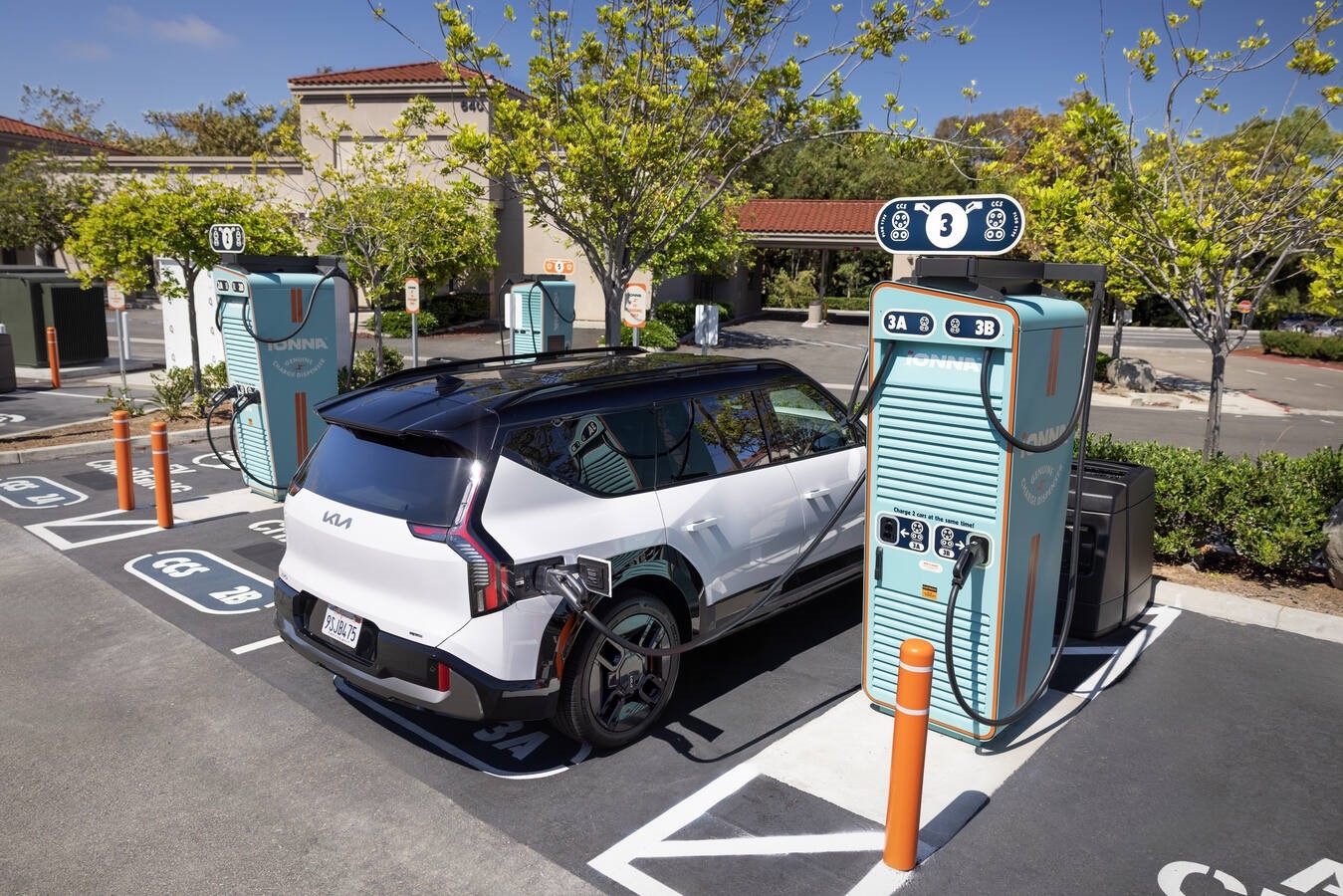
- Charging system check: verifies inlet, onboard charger behavior, and communication that controls charge rate.
- Thermal management inspection: confirms pumps, valves, and coolant pathways are operating correctly.
- Road test (when safe/needed): validates drivability, regen braking, and transitions (especially for Kia PHEV Service).
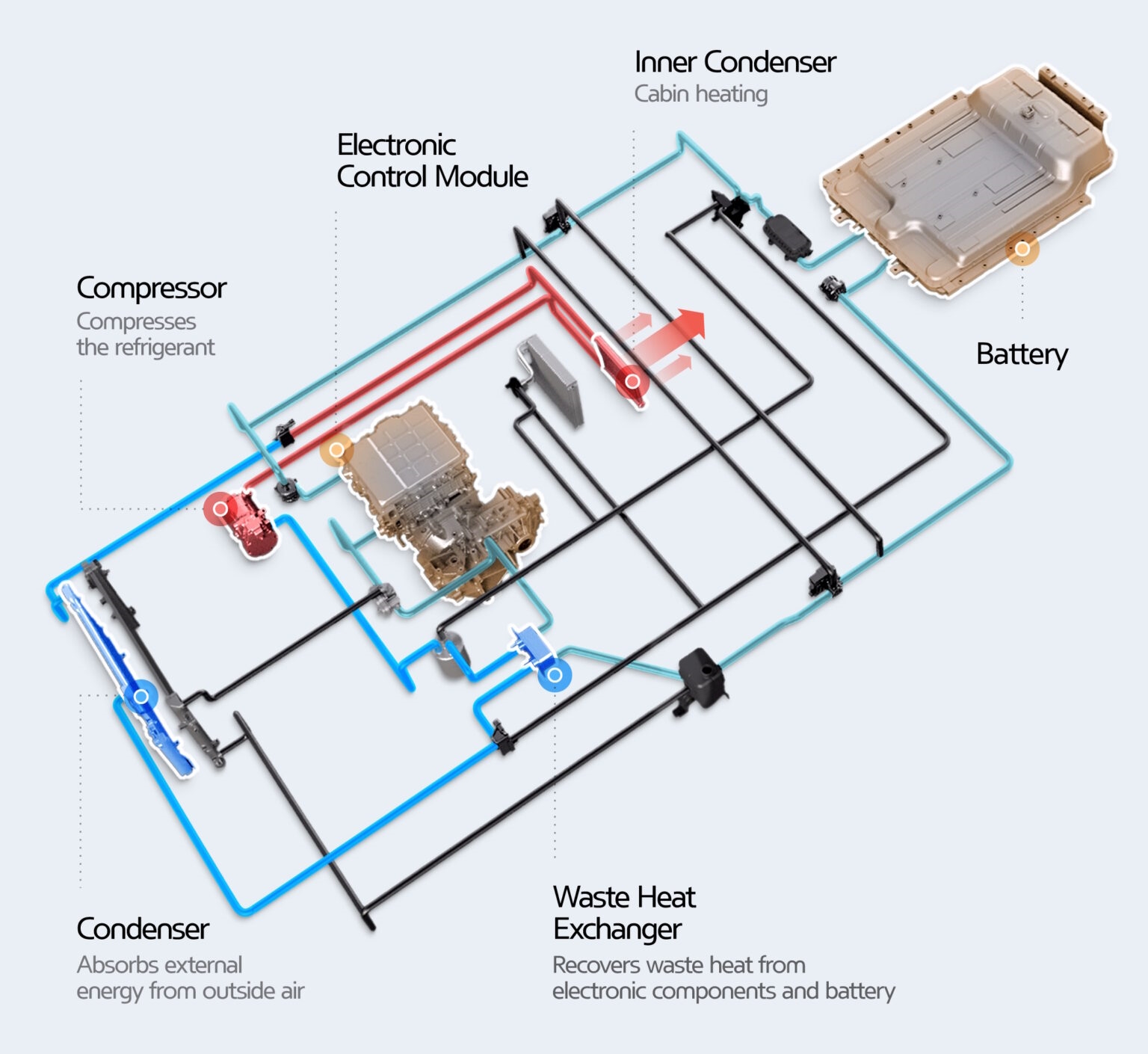
Thermal management is a major reliability factor for charging, efficiency, and consistent performance.
Brakes, tires, alignment, and regen: the real wear items
Most “repairs” on electrified vehicles aren’t exotic—they’re tire wear, alignment, and brake hardware maintenance. EV torque is instant, and even careful drivers can see faster front/rear wear depending on drivetrain and rotation habits. In Denver and Aurora, potholes, temperature swings, and winter setups make alignment checks a smart habit.
Regen braking reduces pad wear, but it can also mean brakes are used less often, which allows surface corrosion. A quality service visit includes a brake inspection that’s about function and condition, not just “pad thickness.”
Diagnostics and warning lights: what to expect at the appointment
Electrified vehicles depend on software, sensors, and communication networks. That’s why a check-engine light (hybrid/PHEV) or EV system warning is often solved through accurate scanning, guided test plans, and confirming an update or calibration—rather than swapping parts.
Symptoms that usually need a diagnostic scan
- Charging is slower than normal, stops early, or fails to initiate.
- Noticeable reduction in EV range or the vehicle forces engine operation more often.
- Intermittent warning lights after cold nights in Denver or hot summer days.
- Unusual transitions between engine and EV mode during Kia PHEV Service test drives.
Practical tip for faster fixes
When you book Kia PHEV Service or EV diagnostics, note your charging setup (Level 1/2, public DC fast charging), the outside temperature, and whether the symptom happens right after charging, right after a cold start, or only at highway speeds. These details shorten diagnostic time and help the tech reproduce the issue on the first visit in Denver.
Cost, timing, and expectations in Denver and Aurora
Electrified maintenance is often cheaper over time, but diagnostics can be more specialized. A routine inspection/rotation appointment is usually quick. Diagnostic visits vary based on symptom frequency, whether the issue is charge-related, and whether the vehicle needs an extended test plan.
What a typical visit includes
- Routine maintenance: inspection checklist, tire rotation, brake check, filters, software status check.
- If a warning light is present: scan, guided diagnostics, and a clear explanation of findings before work proceeds.
- For charging concerns: charge-system tests plus thermal checks that relate to charge speed and stability.
The goal is transparency: you should leave knowing what was checked, what was found, and what you can safely postpone. That matters most for customers shopping repairs who need clear decisions, especially for Kia PHEV Service where both engine and EV systems can be involved.
Why choose Kia service in Denver for EV and PHEV repairs
If you’re deciding where to bring a Kia EV, hybrid, or plug-in in Denver, focus on capability and communication. High-voltage service requires trained technicians, insulated tools, and a process that’s designed for safe diagnosis—not guesswork. That’s the foundation for reliable Kia PHEV Service and quicker turnaround on charging or warning-light concerns.
What you should expect from a strong shop experience:
- A clear intake: model, mileage, symptoms, charging setup, and Denver/Aurora driving patterns.
- Documented diagnostics: codes, test results, and a plain-English explanation.
- Prioritized recommendations: what’s urgent, what’s preventative, and what can wait.
- Consistency: repeatable service routines that reduce surprises over time.
A clear digital inspection report helps owners make confident repair decisions.
FAQ: Kia EV, Hybrid, and Kia PHEV Service in Denver
Do EVs need less maintenance than hybrids and PHEVs?
Yes for routine engine-related items—no oil changes or spark plugs—but EVs still need tires, brake inspections, cabin filters, and cooling-system checks. In Denver, tire wear and alignment are common service drivers. EV service is often inspection-heavy, while hybrids and Kia PHEV Service add engine maintenance on top of high-voltage checks.
What does a high-voltage battery inspection include?
A typical inspection checks for stored fault codes, verifies charging behavior, and reviews thermal management performance (coolant flow, pumps, sensors). Technicians also look for physical concerns around connectors and cooling lines. This is standard for denver high voltage battery service visits and is usually quicker and less invasive than owners expect.
How often should I schedule Kia PHEV Service if I mostly drive electric?
Still follow time-based intervals for engine oil and inspections. Even with low engine miles, short engine run cycles can stress oil and create moisture buildup. Plan on routine inspections and periodic oil service, plus charging and cooling-system checks. In Denver and Aurora, seasonal temperature swings make proactive Kia PHEV Service especially useful.
Why do EV and PHEV tires wear faster?
Instant torque, higher vehicle weight, and strong regenerative braking can increase tread wear—especially if rotations are delayed. Cold Denver mornings can also lower tire pressure, accelerating shoulder wear. Frequent rotations and proper inflation are key parts of kia ev service needs and Kia PHEV Service plans.
What’s the difference between Kia Hybrid service and Kia PHEV Service?
Hybrids don’t plug in, so there’s no charge inlet or onboard charging focus—maintenance centers on engine intervals plus high-voltage monitoring. Plug-ins add charging system checks and tend to use the engine differently, so oil service may be time-based even with low engine miles. Both benefit from periodic thermal inspections in Denver.
Should I worry if my EV range drops in winter?
Some winter range drop is normal because batteries are less efficient in cold temperatures and cabin heat uses energy. If the drop is sudden, or charging behavior changes, schedule a diagnostic scan. For Denver winters, checking tire pressure and confirming thermal system operation is a smart first step for denver ev service.
Can any shop repair EV or plug-in hybrid high-voltage systems?
Not safely or efficiently. High-voltage diagnosis requires trained personnel, insulated tools, and procedures that protect the vehicle and the technician. For charging concerns or high-voltage warnings, choose a facility that routinely performs Kia PHEV Service and high-voltage inspections in the Denver area.
What should I bring or note when scheduling service?
Note your model year, mileage, recent warning lights, and charging setup (home Level 1/2, public charging). If you can, record outside temperature and whether the issue happens right after charging or on cold starts. Those details help technicians reproduce the concern faster and make Kia PHEV Service diagnostics more direct in Denver and Aurora.
Key Takeaways for Kia EV and Kia PHEV Service shoppers
- EVs have fewer routine fluids, but inspections, tires, brakes, and cooling checks are still essential in Denver.
- Hybrids keep engine maintenance plus high-voltage monitoring—plan service like modern gas ownership with added checks.
- Kia PHEV Service combines EV inspections with engine intervals; time-based oil changes can matter even with low engine miles.
- Thermal management (battery cooling) is a core reliability item for charging stability and consistent performance.
- Tire rotations and alignment checks often drive real-world maintenance costs for EVs and plug-ins.
- Warning lights are frequently software/diagnostics-driven—accurate scanning saves time and avoids guesswork.
- For safety and speed, choose a facility experienced with high-voltage systems in Denver and Aurora.
Schedule Kia EV, Hybrid, or PHEV Service
Pick a time and share your model details so we can prep the right diagnostics for Denver & Aurora driving conditions.
Schedule Service Online
Fast scheduling, clear next steps.
Note: Model availability and exact maintenance intervals can vary by model year and configuration. Always follow your vehicle’s owner’s manual and service reminders.