Kia Telluride Service Intervals & Maintenance Guide
Updated June 13, 2026 | Emich Kia — Denver, CO
Quick Answer
The Kia Telluride requires an oil and filter change every 7,500 miles under normal driving conditions (every 5,000 miles under severe conditions). Tire rotations should occur at every oil change interval, brake fluid needs replacing every 30,000 miles or 2 years, and the first coolant change is due at 60,000 miles. For Denver-area drivers who regularly tackle mountain passes and altitude changes, staying on schedule is especially important to protect your Telluride’s powertrain and braking system.
Key Takeaways
- Oil changes every 7,500 miles (5,000 miles for severe driving) using full synthetic oil keep the Lambda II V6 and 2.5T engines running at peak performance.
- Brake fluid replacement every 30,000 miles is critical for mountain driving safety near Denver and the Front Range.
- AWD models need extra attention — transfer case fluid and rear differential fluid both require service every 60,000 miles.
- Colorado altitude and temperature swings accelerate battery wear and coolant stress; proactive inspections save costly repairs.
- Kia’s 10-year/100,000-mile powertrain warranty remains one of the best in the industry, but staying current on maintenance is required to keep it valid.
- The 2027 second-generation Telluride introduces a 2.5L turbo four-cylinder and a hybrid powertrain option with slightly different service intervals.
Telluride Generations & Powertrains
The Kia Telluride debuted for the 2020 model year and quickly became one of the best-selling three-row midsize SUVs in the United States. Understanding which powertrain sits under your hood is the first step toward following the correct maintenance schedule.
First Generation (2020–2025)
Every first-generation Telluride is powered by a 3.8-liter Lambda II V6 GDI engine producing 291 horsepower at 6,000 rpm and 262 lb-ft of torque at 5,200 rpm. Power routes through an 8-speed automatic transmission to either front-wheel drive (FWD) or Kia’s on-demand all-wheel-drive (AWD) system. Kia did not produce a 2026 model year Telluride, so if you currently own this generation, your model year falls between 2020 and 2025.
Second Generation (2027–Present)
The redesigned 2027 Telluride moves to a 2.5-liter turbocharged inline-four as its standard engine, rated at 274 horsepower and 311 lb-ft of torque. A new hybrid powertrain pairs the 2.5T with dual electric motors for a combined output of 329 horsepower and 339 lb-ft, mated to a 6-speed automatic transmission. The hybrid option brings different fluid capacities and slightly adjusted service intervals that your Emich Kia technician will follow precisely.
First Generation Telluride (2020–2025) — 3.8L V6, 7,500-Mile Service Intervals
The table below shows the factory-recommended service intervals for the first-generation Kia Telluride equipped with the 3.8-liter Lambda II V6 engine. All 2020 through 2025 model years follow this schedule.
| Service Item | 7,500 mi | 15,000 mi | 30,000 mi | 60,000 mi | 100,000 mi |
|---|---|---|---|---|---|
| Engine oil & filter | ✓ | ✓ | ✓ | ✓ | ✓ |
| Tire rotation | ✓ | ✓ | ✓ | ✓ | ✓ |
| Engine air filter (inspect) | — | ✓ | ✓ | ✓ | ✓ |
| Engine air filter (replace) | — | — | ✓ | ✓ | ✓ |
| Cabin air filter (replace) | — | ✓ | ✓ | ✓ | ✓ |
| Brake pads (inspect) | — | ✓ | ✓ | ✓ | ✓ |
| Brake fluid (replace) | — | — | ✓ | ✓ | ✓ |
| Drive belts (inspect) | — | — | ✓ | ✓ | ✓ |
| Coolant (first change) | — | — | — | ✓ | ✓ |
| Transmission fluid (inspect) | — | — | — | ✓ | ✓ |
| Transfer case fluid (AWD)* | — | — | — | ✓ | ✓ |
| Differential fluid (AWD)* | — | — | — | ✓ | ✓ |
| Spark plugs (replace) | — | — | — | Inspect | ✓ |
* AWD-only service items. Severe-condition schedule (frequent towing, dusty roads, extreme temps) shortens oil change intervals to every 5,000 miles.
Second Generation Telluride (2027–Present) — 2.5L Turbo & Hybrid, 7,500-Mile Service Intervals
The 2027 Telluride maintains Kia’s standard 7,500-mile normal-condition service interval (5,000 miles under severe conditions). However, the shift from a naturally aspirated 3.8L V6 to a turbocharged 2.5L inline-four — and the addition of an available hybrid powertrain — introduces several differences in service requirements. The turbo engine places greater thermal stress on engine oil due to the turbocharger’s extreme operating temperatures, making on-schedule oil changes even more critical. Hybrid models include additional components such as the high-voltage battery coolant loop, electric motor assemblies, and regenerative braking hardware that require periodic inspection.
| Service Item | 7,500 mi | 15,000 mi | 30,000 mi | 60,000 mi | 100,000 mi |
|---|---|---|---|---|---|
| Engine oil & filter | ✓ | ✓ | ✓ | ✓ | ✓ |
| Tire rotation | ✓ | ✓ | ✓ | ✓ | ✓ |
| Multi-point inspection | ✓ | ✓ | ✓ | ✓ | ✓ |
| Cabin air filter (inspect/replace) | — | ✓ | ✓ | ✓ | ✓ |
| Engine air filter (inspect) | — | ✓ | ✓ | ✓ | ✓ |
| Engine air filter (replace) | — | — | ✓ | ✓ | ✓ |
| Brake pads & rotors (inspect) | — | ✓ | ✓ | ✓ | ✓ |
| Brake fluid (replace) | — | — | ✓ | ✓ | ✓ |
| Drive belts (inspect) | — | — | ✓ | ✓ | ✓ |
| Coolant (first change) | — | — | — | ✓ | ✓ |
| Transmission fluid (inspect/service) | — | — | — | ✓ | ✓ |
| Transfer case fluid (AWD)* | — | — | — | ✓ | ✓ |
| Differential fluid (AWD)* | — | — | — | ✓ | ✓ |
| Spark plugs (replace) | — | — | — | Inspect | ✓ |
| Hybrid battery coolant (Hybrid only)† | — | — | Inspect | ✓ | ✓ |
| Hybrid system inspection (Hybrid only)† | — | ✓ | ✓ | ✓ | ✓ |
* AWD-only service items. † Hybrid-only service items. Severe-condition schedule (frequent towing, dusty roads, extreme temps) shortens oil change intervals to every 5,000 miles. The hybrid powertrain uses a 6-speed automatic transmission; the 2.5T non-hybrid uses an 8-speed automatic.
Engine Oil Specifications & Why They Matter
Choosing the right engine oil for your Telluride is not simply a matter of preference — it directly affects engine longevity, fuel efficiency, and emissions performance. For the 3.8L Lambda II V6, Kia specifies 0W-20 full synthetic oil meeting API SP or ILSAC GF-6A standards. The 2027 2.5L turbo four-cylinder also calls for 0W-20 full synthetic, though the turbocharged architecture makes oil quality even more important because the turbocharger operates at extremely high temperatures and relies on oil for both lubrication and cooling.
Full synthetic oil resists thermal breakdown better than conventional oil, which is a genuine advantage in Colorado. Denver sits at 5,280 feet of elevation, and mountain passes on I-70 regularly exceed 11,000 feet. At altitude, engines run slightly leaner, combustion temperatures can fluctuate, and oil works harder to maintain a protective film across cylinder walls and bearing surfaces. Using a lower-quality oil or extending your drain interval beyond the recommended 7,500 miles risks accelerated engine wear, sludge buildup, and potential warranty complications.
During each oil service at Emich Kia, our technicians also replace the oil drain plug washer, check oil consumption patterns, and inspect for any seepage around the valve cover gaskets — a proactive measure that can catch small issues before they become expensive repairs.
Brake System Service Details
The Telluride uses four-wheel disc brakes with ventilated front rotors, and it weighs between 4,112 and 4,482 pounds depending on configuration. That mass, combined with regular descents from mountain elevations, means the braking system works harder than it would in flat terrain. Kia recommends inspecting brake pads every 15,000 miles, with typical replacement falling between 30,000 and 50,000 miles depending on driving habits.
If you frequently drive I-70 through the Eisenhower Tunnel or descend Floyd Hill, you are likely using your brakes more aggressively than the national average. Downhill engine braking (using lower transmission gears to slow the vehicle) significantly extends brake pad life, and our service advisors are happy to walk you through using the Telluride’s available shift-lock and paddle-shift modes for mountain descents.
Brake fluid replacement every 30,000 miles or 2 years is a service item many owners overlook. Brake fluid is hygroscopic, meaning it absorbs moisture from the atmosphere over time. Moisture-contaminated brake fluid has a lower boiling point, and during sustained mountain braking the fluid temperature can climb high enough to cause brake fade — a dangerous loss of stopping power. Fresh DOT 4 brake fluid ensures consistent pedal feel and stopping distance regardless of conditions.
Colorado-Specific Service Considerations
Owning a Telluride in the Denver metro area and surrounding Front Range introduces maintenance variables that owners in milder, lower-altitude climates simply do not encounter. Here are the most important factors our Emich Kia technicians account for during every service visit.
Altitude Effects on Engine Performance
At Denver’s elevation of 5,280 feet, atmospheric pressure is roughly 17 percent lower than at sea level. While the Telluride’s engine control unit (ECU) compensates by adjusting fuel injection and ignition timing, the thinner air means the engine works slightly harder during heavy acceleration and towing. This makes clean air filters, properly gapped spark plugs, and high-quality synthetic oil even more important for maintaining optimal combustion efficiency.
Temperature Extremes and Battery Health
Denver can swing from single-digit winter lows to 100-degree summer highs within six months. These extremes are punishing on 12-volt batteries. Cold temperatures reduce a battery’s cranking capacity while heat accelerates internal corrosion. The typical battery lifespan in Colorado is 3 to 5 years, compared to 4 to 6 years in more temperate climates. We recommend having your battery tested at every oil change, particularly once it passes the three-year mark.
Road Salt and Undercarriage Corrosion
CDOT applies magnesium chloride and sand to highways throughout the winter. This material accelerates corrosion on brake lines, exhaust components, and suspension hardware. An undercarriage rinse after winter storms and a thorough multi-point inspection each spring help catch corrosion early. Our service team examines brake lines, control arm bushings, and exhaust heat shields during routine maintenance to protect your Telluride’s structural integrity.
Coolant System Stress
Because water boils at a lower temperature at altitude (approximately 202°F in Denver versus 212°F at sea level), your cooling system operates with a tighter margin. Maintaining the correct 50/50 coolant-to-water ratio with Kia’s specified phosphate-free long-life coolant and ensuring the radiator cap holds proper pressure are essential. The first coolant change is due at 60,000 miles or 10 years, then every 30,000 miles or 2 years thereafter.
AWD System Maintenance
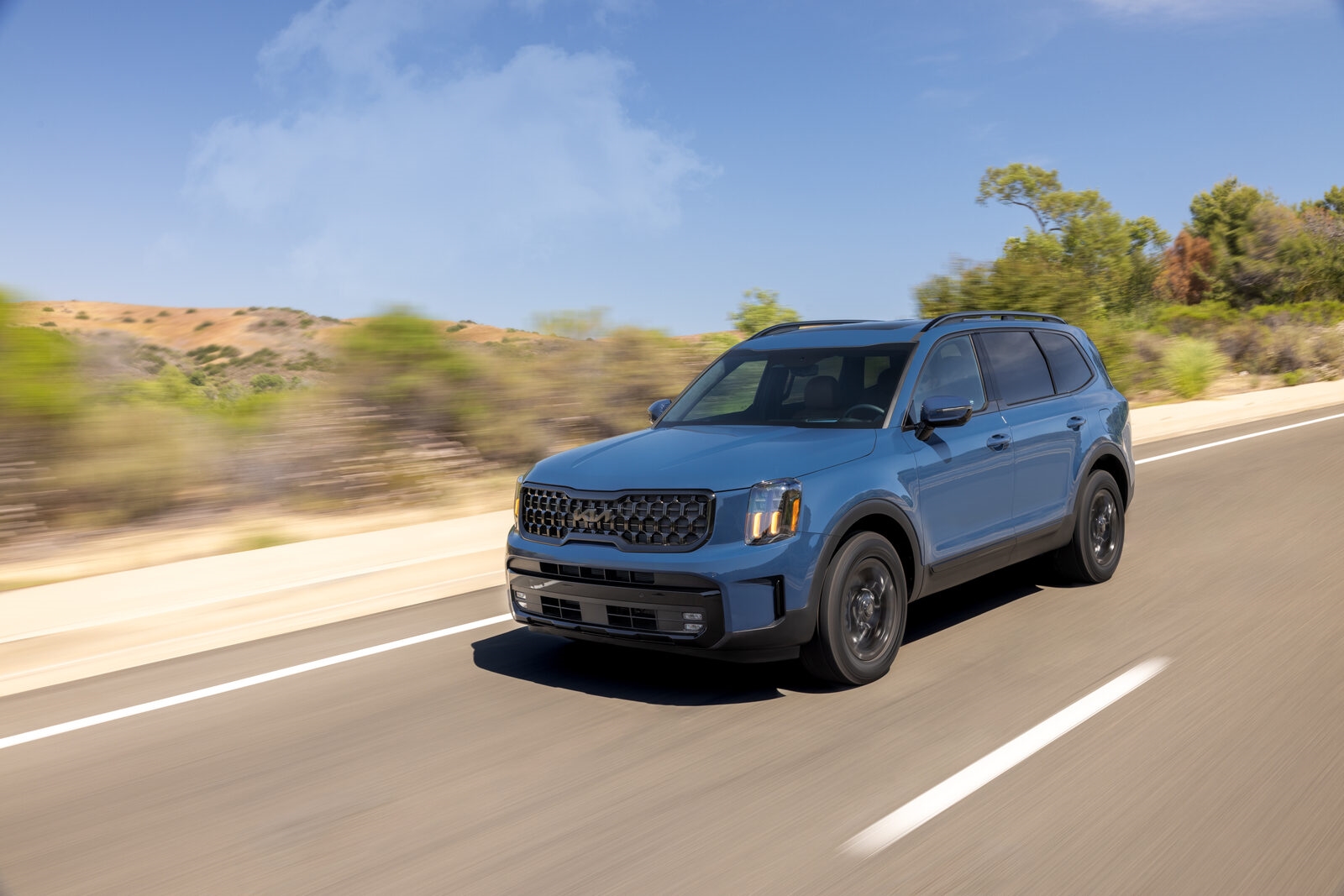
The majority of Tellurides sold at Emich Kia are equipped with all-wheel drive, and for good reason — Colorado’s weather and terrain demand confident traction. The Telluride’s AWD system uses an electronically controlled coupling to distribute torque between the front and rear axles. It also features a locking center differential mode for low-traction situations like snow-packed roads and loose gravel.
To keep this system functioning correctly, there are two additional fluid services AWD owners must follow beyond the standard FWD maintenance schedule:
- Transfer case fluid: Replace every 60,000 miles. The transfer case distributes power from the transmission to the rear driveshaft, and contaminated or degraded fluid causes rough shifting and increased internal wear.
- Rear differential fluid: Replace every 60,000 miles. The differential allows the rear wheels to rotate at different speeds during turns, and clean gear oil is critical to preventing premature bearing and gear damage.
If you regularly tow a boat to Chatfield Reservoir, haul ski gear to the mountains, or navigate unpaved roads in the foothills, consider having these fluids inspected at 45,000 miles rather than waiting for the standard 60,000-mile interval. Our technicians use factory-specification fluids and verify fill levels with precision to protect the AWD system’s internal components.
Why Service Your Telluride at Emich Kia
There are several compelling reasons to bring your Telluride to Emich Kia for scheduled maintenance and repairs rather than an independent shop or quick-lube chain:
- Factory-trained technicians who hold current Kia certifications and have hands-on experience with every Telluride model year, including the 2027 hybrid powertrain.
- Genuine OEM parts that meet Kia’s exact specifications for fit, material quality, and durability — critical for maintaining your 5-year/60,000-mile basic warranty and 10-year/100,000-mile powertrain warranty.
- Kia diagnostic software that reads proprietary fault codes, performs ECU updates, and calibrates advanced driver-assistance systems (ADAS) after windshield replacements or suspension work.
- Service records tied to your VIN that document every maintenance action, which strengthens resale value and simplifies warranty claims.
- Colorado-specific expertise from a team that understands how altitude, temperature swings, and mountain driving affect your Telluride differently than conditions elsewhere in the country.
Summary: Keeping Your Telluride on the Road
Routine maintenance is the single most effective way to protect your investment in a Kia Telluride. Denver’s altitude, temperature extremes, and mountain terrain place unique demands on every major system — from the engine and transmission to the brakes and battery. By following Kia’s factory intervals and addressing Colorado-specific wear factors proactively, you can enjoy the full 10-year/100,000-mile powertrain warranty with confidence and keep your Telluride running safely for well beyond 200,000 miles.
The Emich Kia service team in Denver is here to help. Whether you need a routine oil change, a brake inspection before ski season, or a full 60,000-mile service, we have the tools, training, and genuine parts to do the job right.
Frequently Asked Questions
How often should I change the oil in my Kia Telluride?
Under normal driving conditions, Kia recommends an oil and filter change every 7,500 miles using 0W-20 full synthetic oil. If you frequently tow, drive in stop-and-go traffic, or operate in dusty or extremely hot or cold conditions, shorten that interval to every 5,000 miles. In Denver, many Telluride owners fall into the severe-condition category due to mountain driving and temperature extremes.
What type of oil does the Kia Telluride take?
Both the 3.8L V6 (2020–2025) and the 2.5L turbo I4 (2027+) require 0W-20 full synthetic oil meeting API SP or ILSAC GF-6A standards. Using conventional oil or the wrong viscosity can reduce fuel economy, increase engine wear, and may affect warranty coverage.
How much does Telluride maintenance cost at a dealership?
Routine maintenance costs vary by service. A standard oil change with tire rotation typically ranges from $70 to $120. Brake fluid replacement is usually between $100 and $150. Major milestone services at 30,000 or 60,000 miles, which bundle multiple items, typically range from $300 to $600 depending on what is due. Visit our service specials page to find current coupons that can reduce these costs.
When should I replace the spark plugs on a Telluride?
The Telluride uses iridium-tipped spark plugs, which are designed to last between 60,000 and 100,000 miles. Kia recommends inspection at 60,000 miles and replacement by 100,000 miles, though altitude and driving style can accelerate electrode wear. If you notice rough idling, reduced fuel economy, or hesitation during acceleration, have your spark plugs inspected earlier.
Does the Telluride AWD system need special maintenance?
Yes. In addition to the standard maintenance schedule, AWD models require transfer case fluid replacement and rear differential fluid replacement every 60,000 miles. These services are not needed on FWD models. Neglecting AWD fluid changes can lead to grinding noises, rough engagement, and eventually expensive component failure.
Is the Kia Telluride expensive to maintain compared to competitors?
The Telluride is generally less expensive to maintain than comparable three-row SUVs from luxury brands. Its 10-year/100,000-mile powertrain warranty — the longest in the mainstream segment — provides significant cost protection during the ownership period. Routine services use widely available parts, and Kia’s recommended intervals are competitive with Toyota, Honda, and Hyundai.
How long do Kia Telluride brake pads last?
Brake pad lifespan depends heavily on driving conditions. In flat terrain with moderate traffic, Telluride brake pads typically last 40,000 to 50,000 miles. For Denver-area drivers who regularly descend mountain grades, replacement may be needed closer to 30,000 to 40,000 miles. Using engine braking on long descents significantly extends pad life.
When does the Telluride need a coolant flush?
The first coolant change is due at 60,000 miles or 10 years, whichever comes first. After that, coolant should be replaced every 30,000 miles or 2 years. Because water boils at a lower temperature at Denver’s altitude, maintaining the correct coolant concentration and ensuring the radiator cap seals properly are especially important for preventing overheating.
Was there a 2026 Kia Telluride?
No. Kia skipped the 2026 model year for the Telluride. The first generation ran from 2020 through 2025, and the fully redesigned second generation launched as a 2027 model. If you are shopping for a new Telluride, the 2027 model is the current offering, available with either a 2.5L turbo engine or a hybrid powertrain.
How long does a Telluride battery last in Colorado?
In Colorado’s climate, a Telluride’s 12-volt battery typically lasts 3 to 5 years. Extreme cold reduces cranking power while summer heat accelerates internal corrosion. We recommend testing your battery at every oil change once it is more than three years old, and proactively replacing it before it leaves you stranded on a cold morning.