Kia Transmission Repair: Service Guide for 2015–2026 Models
If your Kia hesitates, slips, shudders, or throws a transmission-related warning, the fix is rarely “just add fluid.” The right approach is to confirm the transmission type (automatic, IVT/CVT, DCT, or conventional AT), verify the correct Kia-specified fluid, and test-drive with scan data before deciding between fluid service, software updates, valve-body work, or internal repair. This page breaks down practical maintenance cycles for popular 2015–2026 models and what Denver and Aurora drivers should expect from diagnosis through repair.
Most 2015–2026 Kia transmissions last longer when fluid is serviced on time, with intervals driven by heat, load, and driving style. For many models, a drain-and-fill every 30,000–60,000 miles under severe use is a practical baseline, while “lifetime” fluid often performs better with periodic service. If symptoms are present, start with proper diagnostics and fluid verification before approving major Transmission Repair.
What “transmission service” means for modern Kia models
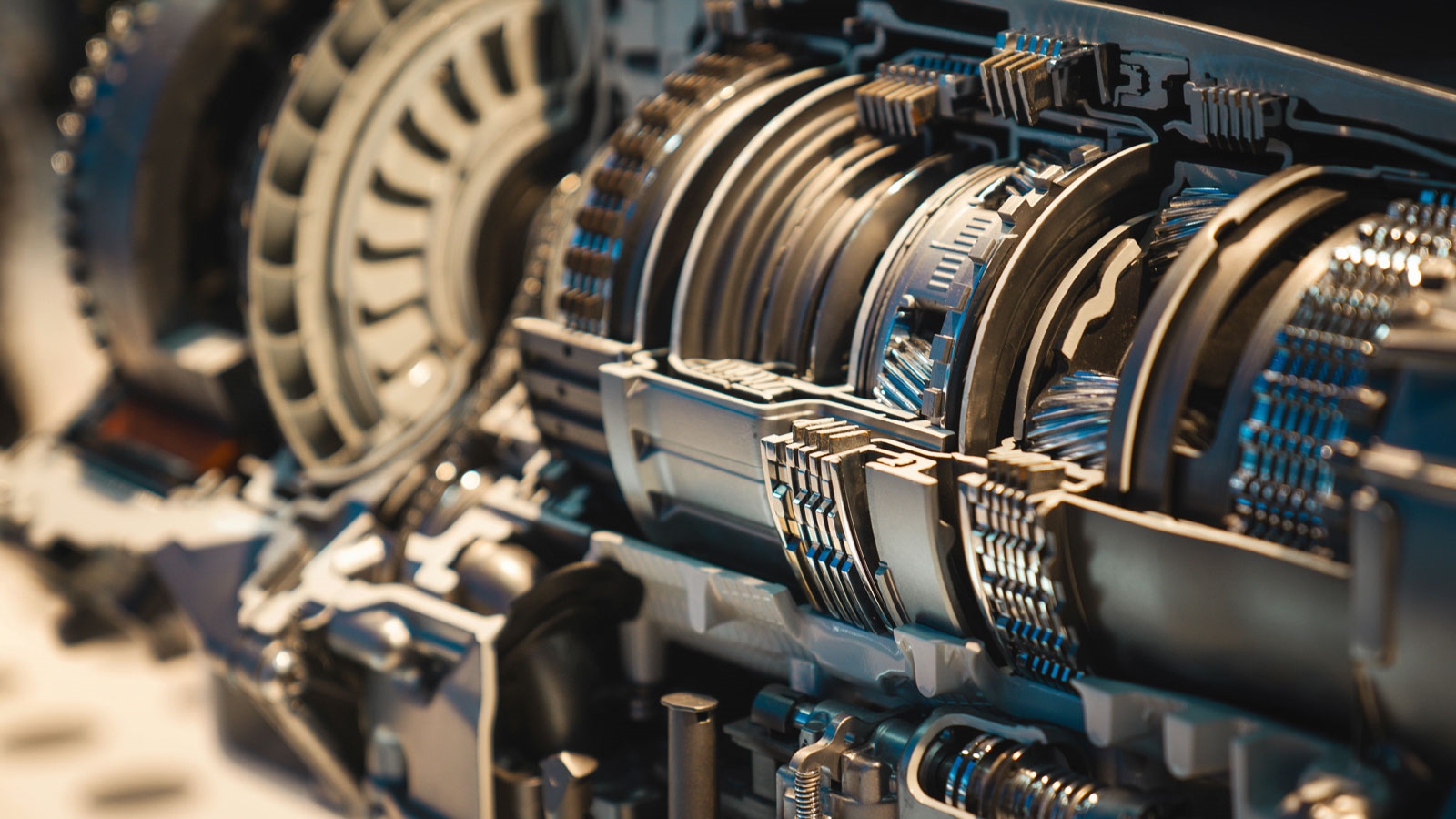
“Kia transmission service” can mean several different procedures depending on the unit in your vehicle. A traditional automatic may respond well to a drain-and-fill with filter or pan service. An IVT/CVT-style unit is highly sensitive to fluid type, fill level, and temperature-based procedures. Dual-clutch transmissions (DCT) add clutch control and adaptation variables that affect shift feel. In Denver and Aurora, altitude and temperature swings make correct fluid temperature and fill procedures especially important.
Popular 2015–2026 Kia models and practical transmission maintenance cycles
Below are practical, real-world intervals that many service teams use when the owner’s manual offers broad guidance or “normal” vs. “severe” schedules. These cycles are not a substitute for your exact model-year specifications, but they help set expectations for Transmission Repair prevention—especially if you drive in stop-and-go traffic, take mountain trips, tow, carry heavy loads, or do frequent short trips around Denver and Aurora.
| Popular Kia model (2015–2026) | Common transmission types | Practical fluid service cycle | Why it matters (typical use case) |
|---|---|---|---|
| Forte | 6AT, IVT/CVT (varies by year/trim) | 30k–60k miles (severe use 30k–45k) | City commuting, frequent stops, heat cycling |
| Sportage | 6AT, 8AT (newer), DCT (some trims), Hybrid variants | 30k–60k miles; earlier if towing/mountain grades | Heat + load from hills, camping gear, winter traction demands |
| Sorento | 6AT/8AT (varies), Hybrid/PHEV variants | 30k–50k miles if loaded; 50k–60k miles light duty | Family hauling, higher vehicle weight, thermal management |
| Telluride | 8AT | 35k–60k miles; 35k–45k miles if towing | High torque loads, road trips, mountain passes near Denver |
| Optima / K5 | 6AT/8AT (varies by year) | 40k–60k miles; earlier with aggressive stop-and-go | Shift quality, torque converter lock-up smoothness |
| Soul | 6AT, IVT/CVT (varies) | 30k–60k miles (short trips trend toward 30k–45k) | Short-trip use raises moisture and heat cycling |
| Seltos | IVT/CVT or 7DCT (varies) | 30k–50k miles (DCT may need earlier evaluation) | DCT heat management, low-speed creep behavior |
| Niro (Hybrid/PHEV) | Hybrid DCT (varies) | 30k–60k miles depending on driving pattern | Clutch control and smooth engagement at low speeds |
| Carnival | 8AT | 35k–60k miles based on passenger/load use | High load, heat from long highway grades |
Your exact mileage interval depends on your model year, engine, transmission code, and driving conditions. In Denver and Aurora, “severe” use is common: stop-and-go traffic, winter warmups, short trips, and mountain driving. If you’re unsure, a quick spec check using your VIN prevents fluid mismatch—one of the biggest causes of avoidable kia tranny issues.
Symptoms that signal service now (and what they usually mean)
Transmission complaints often start subtle and worsen with heat. The goal is to identify whether you’re dealing with fluid degradation, electronic control issues, mechanical wear, or a combination. When customers shop for Kia Transmission Repair in Denver, these are the symptoms that matter most in a test drive and scan review.
Common symptoms
- Delayed engagement (pause before Drive/Reverse): often fluid level/pressure control or internal seal leakage.
- Shudder at steady speed: can indicate torque converter clutch issues, fluid breakdown, or adaptation problems.
- Harsh or flared shifts: may be solenoid control, valve body wear, or software strategy needing calibration.
- Whining or grinding: can be bearing wear, pump issues, or CVT/IVT internal damage.
- Burnt smell/dark fluid: thermal overload; service may help if caught early, but diagnosis is critical.
Transmission types in Kia vehicles (2015–2026) and service implications
Not all Kia transmission units behave the same, and service methods vary. A quick identification step prevents wasted time and reduces the chance of repeat visits. If you’ve searched “kia transmission” or “kia tranny issues,” the type below often explains why your symptoms show up the way they do in Denver traffic or on I-70 grades.
Traditional automatic (6AT / 8AT)
These transmissions use planetary gearsets, a torque converter, and a hydraulic valve body. Fluid condition affects shift quality, converter lock-up smoothness, and clutch longevity. Practical service commonly includes a drain-and-fill, and sometimes pan/filter service when accessible, followed by level verification at the correct temperature.
IVT/CVT-style units
These units rely on precise fluid friction properties and careful fill procedures. Overfill or underfill can create pressure and temperature problems that mimic failure. Service typically requires strict fluid spec confirmation and a measured fill method. If your driving is mostly short trips around Aurora or Denver, earlier service can be beneficial.
Dual-clutch (DCT)
DCT behavior at low speed can feel different than a conventional automatic. Some “shudder” complaints are related to clutch engagement strategy, adaptation, or heat. Proper diagnosis includes checking for software updates, reviewing adaptation values, and confirming whether the issue is drivability-related or a mechanical clutch concern.
How our transmission service process works (diagnosis to fix)
Customers shopping for Transmission Repair usually want two things: a clear cause and a clear plan. A consistent process prevents guessing and helps you decide between maintenance, targeted repair, or deeper teardown. This workflow is built for Kia vehicles and fits common situations we see across Denver and Aurora.
Step 1: Identify transmission + verify symptoms
We confirm the unit type using VIN/build data, then replicate your concern on a controlled test drive. We note when it happens (cold start, hot soak, uphill, low-speed creeping) because that pattern often separates fluid/pressure issues from hardware wear.
Step 2: Scan for codes + review live data
Even without a check-engine light, control modules can store history codes and adaptation data. We look at shift timing, temperature, commanded gear ratio, and slip values. This helps determine whether Kia Transmission Repair should start with a fluid service, calibration, or a component-level repair.
Step 3: Inspect for leaks, mounts, and driveline issues
Fluid leaks, worn mounts, axle issues, and even engine misfires can feel like transmission failure. A physical inspection prevents replacing the wrong part. In winter in Denver, hardened seals and temperature changes can reveal leaks that only show after a long drive.
Step 4: Service or repair with spec-correct fluids
If service is appropriate, we use the correct Kia fluid and follow temperature-based fill procedures where required. If repair is needed, we’ll explain the failure mode (for example, valve body vs. internal clutch wear) so your decision is based on evidence—not guesswork.
Cost, timing, and what to expect in Denver & Aurora
Pricing for Kia transmission work varies mostly by transmission type, fluid capacity, and access. The fastest way to avoid surprises is to treat diagnosis and verification as a required first step, especially if you’ve already visited multiple shops. The table below gives realistic ranges customers commonly see when seeking Kia Transmission Repair near Denver.
| Service / repair category | Typical time | Typical cost range | Best for |
|---|---|---|---|
| Diagnostic evaluation (scan + road test) | 1–2 hours | $120–$260 | Unknown symptoms, intermittent issues |
| Drain-and-fill transmission fluid service | 1–2 hours | $220–$420 | Preventive maintenance, early shift feel changes |
| Pan service / filter service (when applicable) | 2–4 hours | $380–$780 | Higher mileage units, fluid contamination concerns |
| Valve body / solenoid-related repair | Same day to 2 days | $900–$2,400 | Harsh shifts, slip codes, pressure control issues |
| Rebuild / replacement (case-by-case) | Several days | $3,200–$7,800+ | Internal damage, persistent slipping, metal debris |
These ranges can move based on fluid spec, part availability, and whether the issue is control-related or mechanical. If you’re searching “Denver Kia Tranny repair,” bring notes on when symptoms occur and any recent work performed; it shortens diagnosis time and helps avoid repeat visits.
Common mistakes that make transmission problems worse
- Using “universal” fluid instead of the exact Kia specification for your transmission code.
- Skipping temperature-based fill procedures, leading to overfill/underfill and drivability issues.
- Flushing a failing unit without confirming internal debris risk or the correct service method.
- Ignoring engine performance issues (misfires, fuel trims) that feel like a slipping transmission.
- Assuming a warning light means replacement, when software, solenoids, or valve body repair may solve it.
Preventive care that reduces future Transmission Repair
Most major failures trace back to heat and degraded fluid. Preventive steps are simple, but they must match your use. For Denver and Aurora drivers who frequently climb grades, sit in traffic, or do winter warmups, preventive care is less about “lifetime” claims and more about keeping friction characteristics stable over time.
Practical checklist
- Service fluid on a severe-use interval if you do frequent short trips or mountain driving.
- Fix even small leaks early; low fluid can create pressure loss long before it shows on the ground.
- Address cooling system issues promptly; overheating can accelerate fluid breakdown and clutch wear.
- Avoid aggressive throttle from a cold start; let fluid reach operating temperature first.
- When symptoms begin, diagnose early—minor control issues can become mechanical damage.
Why choose Kia-focused service in Denver
Transmission work demands accurate identification, correct fluids, and a consistent diagnostic routine. Choosing a Kia service team that sees these systems daily helps reduce misdiagnosis and repeat repairs. If you’re comparing shops in Denver or Aurora for Kia Transmission Repair, look for clarity in estimates, transparent test results, and a written plan that matches your transmission type.
What “good” looks like
- VIN-based fluid specification confirmation (no guessing, no universal substitutes).
- A documented test drive with symptom reproduction and scan evidence.
- Clear service options: maintenance vs. targeted repair vs. internal rebuild path.
- Up-front expectations on time, parts lead time, and what success looks like after service.
FAQ: Kia transmission service and repair (2015–2026)
How often should I change Kia transmission fluid?
A practical interval is often 30,000–60,000 miles depending on driving conditions and transmission type. If you do stop-and-go commuting in Denver, frequent short trips in Aurora, or mountain driving, shorter intervals (30k–45k) can help. The correct answer still depends on your exact model year and transmission code, so verifying by VIN is best.
Is “lifetime” transmission fluid really lifetime?
“Lifetime” usually means the fluid is intended to last through a defined service life under normal conditions, not forever. Heat, load, and short-trip driving can shorten fluid effectiveness. Many owners choose periodic service to protect shift quality and reduce long-term wear. This is especially practical when the vehicle is kept beyond the warranty period.
Should I do a transmission flush or a drain-and-fill?
Many Kia owners prefer a drain-and-fill because it refreshes fluid without forcing flow through the system. A flush can be appropriate in certain cases, but it should be chosen based on transmission condition, mileage, and debris risk. If symptoms exist, diagnosis should come first so the service method matches the problem instead of masking it.
Why does my Kia shudder at 30–50 mph?
Shudder in that range can be related to torque converter clutch behavior, fluid friction changes, or control strategy. It can also mimic driveline or engine issues. The best next step is a test drive with scan data to see if slip values or lock-up commands correlate with the shudder. Early diagnosis can reduce the chance of larger Transmission Repair later.
What causes delayed engagement into Drive or Reverse?
Delayed engagement commonly points to pressure build issues: low fluid level, aerated fluid, internal seal leakage, or valve body control problems. It often worsens when hot. Because the symptom can have multiple causes, a scan review plus leak inspection is important before choosing a fluid service or part replacement. Document when it happens for faster diagnosis.
Can a software update fix shift problems?
Sometimes, yes. Certain shift quality concerns are influenced by control logic and adaptation values, especially in newer systems. If the transmission hardware is healthy, updated calibration and a proper relearn procedure can noticeably improve behavior. That’s why a diagnostic approach matters—software can help, but it won’t fix mechanical damage or fluid contamination.
How do I know if my Kia has a CVT/IVT or a traditional automatic?
The most reliable way is VIN-based lookup, because model trims and years can change transmission types. Driving feel can hint at it, but it’s not definitive. Identifying the correct unit matters because fluid specifications and fill procedures differ significantly. For accurate service in Denver or Aurora, confirm the transmission code before any work begins.
What should I bring or note before a transmission appointment?
Write down when the symptom occurs (cold vs. hot, speed range, uphill, turning, or after a stop), any warning lights, and recent repairs. If you’ve had fluid added or serviced, note the date and mileage. These details reduce diagnostic time and help the team choose the right next step—maintenance, targeted repair, or deeper inspection.
Key Takeaways for 2015–2026 Kia owners
- A practical transmission fluid service cycle is often 30k–60k miles, with “severe use” closer to 30k–45k.
- Correct Kia fluid specification and temperature-based fill procedures are non-negotiable for many units.
- Shudder, delayed engagement, and harsh shifts should be diagnosed with scan data—not guessed.
- In Denver and Aurora, stop-and-go traffic, winter warmups, and mountain grades increase thermal stress.
- Drain-and-fill is often preferred for maintenance; choose flush methods only when appropriate to condition.
- Early service and accurate diagnosis can reduce the chance of major Kia Transmission Repair later.
- Document symptom patterns to shorten diagnostic time and improve repair accuracy.
<script type="application/ld+json">